
Global Bed and Breakfast Links
Direct Links To Bed & Breakfast Websites From Around the Globe
|
Global Bed and Breakfast Links Direct Links To Bed & Breakfast Websites From Around the Globe |
|
|
|
||
| CATALUNYA | ||
| Barcelona | ||
| BBB - Jardinets Guest House Five stylish rooms offer comfort and privacy for our guests. Clean bed clothes, towels and a little gift, free Wifi throughout. access to fridge & microwave, a full and varied self service breakfast with juices, bread, cakes, cereals, cheeses, yogurt, jams, milk, various teas, coffee, chocolate milk, etc. Shared bathrooms with showergel, shampoo and a hairdryer.In the library you'll find guides and maps of Barcelona, tourist information and tips for nice and affordable bars, restaurants and shops. Listed 12/15/09 |
||
| BBB - Casanova Guest House In the famouse district of Eixample in Barcelona, close to Avinguda Diagonal. Five stylish rooms offer comfort and privacy, clean bed clothes, towels and a little gift, free Wifi throughout, access to our fridge and microwave, a full and varied self service breakfast with juices, bread, cakes, cereals, cheeses, yogurt, jams, milk, various teas, coffee, chocolate milk, etc. Shared bathrooms with showergel, shampoo and a hairdryer. In the library you\'ll find guides and maps of Barcelona, tourist information and tips for nice and affordable bars, restaurants and shops. Listed 12/15/09 |
||
| Casa Maca Guest House In the famous district of Eixample in Barcelona, surrounded by the most significant works of Gaudi, you will find Casa Maca Guest House. Designed specially for our guests, where you can enjoy a clean, comfortable and very well located Guest House. Free access to the fridge, microwave, toaster, kettle, cups, plates and everything you will need for your breakfast buffet self-serviced. In the library of our Bed and Breakfast you\'ll find guides and maps of Barcelona, touristic information and tips for restaurants, bars, shops, bike rental, night life, museums and all about the Barcelona experience. Listed 12/23/2010 |
||
| ALICANTE | ||
|
Moraira |
||
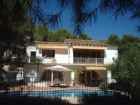
| Moraira Beach Our B&B guesthouse is located at the end of a quiet lane, on the edge of a tranquil pine forest, yet only 800m from a large sandy beach, restaurants, cafe bars and the international marina. |
 |
|
| Los Montesinos | ||
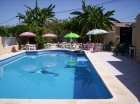
| The Lemon Tree Bed and Breakfast If you are looking for a bowls holiday, or just a break, then you have come to the right place. We offer accomodation for groups of bowlers, to people just looking for a holiday in the sun. |
 |
|
| Alcala de los Gazules, Cadiz | ||
|
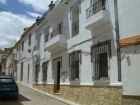
Antigua Fonda (Old Inn) Large Bed and breakfast with 5 double airconditioned, en suite rooms and 1 single, 64 euros per night for the doubles which include a substantial breakfast and local hotel tax 7%. We have a very large guest area with satellite TV and sunny roof terrace. Many activities locally including beaches, Jerez sherry tours, horse shows etc, visit our website for more details Get Map and Satellite Imagery
|
 |
|
| Competa | ||
| La Tienda uxury Holiday Apartments to Let We would like to welcome you to La Tienda and offer you an enjoyable experience in Competa, we have endeavoured to make sure all your needs will be met. |
||
| Casa David Competa We are a Bed and Breakfast situated in a beautiful mountain village, gay owned, offering service second to none at very reasonable rates, wi fi, en-suite, welcome packs,honesty bar |
||
| Ibiza | ||
|
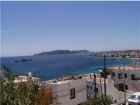
Villa Torr Three rooms in a quite house in Figueretas, The rooms have double beds one with ensuite and two with a shared bathroom. tv and dvd& WiFi, tea and coffee making facilitys. The house has a large terrace with sea views with lots of seating areas and a swimming pool. The house is situated less than five minutes walk from the busy Figueretas seafront and a 10 min walk to Ibiza town and port areas. The main night clubs are a 10 euro taxi fare away and 15 euros from the airport. telephone 0034971306287 or 0034690745469
|
 |
|
| CORDOBA | ||
| Priego de Cordoba | ||
| Casa Miranda Casa Miranda a comfortable family run B&B in the heart of Andalucia. We are situated in the small Aldea of El Poleo just 10kms from the baroque town of Priego de Cordoba. We are an ideal base to visit the Alhambra in Granada and the Mesquita in Cordoba. Visit some of the local villages and see the real Spain and try some of the local tapas and wine. |
||
| Casa de Suenos Guesthouse Rural Bed and Breakfast (B&B) with magnificent views. Guiet, relaxing but with Cordoba & Granada accessible. 3 en suite bedrooms including family room. |
||
| COSTA DE SOL | ||
| Fuengirola | ||
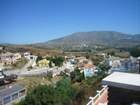
| Catervilla A private 6 bedroom villa with pool and large sun deck over looking the country side just 6 mins from the beach and Fuengirola. 20 euros pppn Listed 11/26/09 |
 |
|
| GRANADA | ||
| Granada | ||
| Villa Marques B&B Granada Andalusia Beautiful B&B just 10 minutes from Granada. All rooms have a private bathroom. Beautiful garden with swimming pool. Discover Granada, Andalucia, Sierra Nevada and Costa Tropical. Listed 05/05/09 |
||
| Padul | ||
| Ithaca Bed & Breakfast On the edge of the Sierra Nevada Natural Park, Ithaca Bed & Breakfast is idealy located to offer you a great choice of activities during your holiday. We are a 15 minute drive from the famous city of Granada, mostly known for its majestic Alhambra Palace (a UNESCO world heritage site) and its rich cultural past. The Mediterranean Sea is only a 25 minute drive away. You can enter the Sierra Nevada Natural Park directly behind our house. The ski resort Sol y Nieve is a 45 minute drive. Listed 11/19/09 |
||
| MALAGA | ||
| Arenas | ||
| Casa Agradable Our house in the countryside of Andalusia yet less than 20 minutes from the sea, is the perfect start to discover the area. Listed 01/26/09 |
||
| Colmenar | ||
| Casa Jasmina Casa jasmina bed & breakfast is sittuated in the traditional quiet mountain village of Colmenar just 25 minutes from Malaga airport |
||
| Fuengirola | ||
| Casa Katrin We have 2 letting rooms. 1 double 1 twin. We have this BB facility from the 24th April- 5th June 2nd October-18th December. Our price will include a full English breakfast or food of your choice. £70 for a double room £50 for a single. Discount will apply for children and weekly bookings. Contact: 0044(0)7873294558 |
||
| Mijas | ||
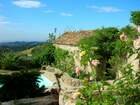
| Montes de Almachada B&B Romantic luxury B&B on hillside, 2km from Mijas and 10 min. from Fuengirola, in tropical garden. Each room has private terrace with views of Fuengirola, the sea or the mountain. Jacuzzi, or shower, kitchenette, satelite TV, dvd. Listed 06/11/2010 |
 |
|
| MURCIA | ||
| Pastrana | ||
| Casa Valentina Bed & Breakfast We are in Pastrana, our B & B is situated in a great country and tranquil location Listed 07/01/2011 |
||
| SAN SEBASTIAN | ||
| Sitges | ||
| Bed & Breakfast La Escapada Sitges Welcome to the website of Bed & Breakfast La Escapada Sitges. Our website has info about our apartment, and some general info about Sitges. Consult our calendar for available dates, and click on the section "Apartment" for the prices. For more info, contact us by email or phone. We hope you will have a pleasant stay. Listed 02/19/2011 |
 |
|
| TENERIFE | ||
| San Isidro | ||
| Casa Esmeralda Tenerife Comfortable and cosy Bed and Breakfast in a villa with ocean view in in the south of Tenerife Listed 08/16/2010 |
||
| Calpe | ||
| Casa Sardonyx Your holiday destination on a breathtaking place only 800 meters from the Mediterranean sea and 1500 meters from the city of Calpe with their beautiful boulevards. Casa sardonyx lies in the Costa Blanca, 20 kilometres above Benidorm. Listed 01/26/09 |
||
| Barx-La Drova | ||
| Villa Goodlife Bed and Breakfast located in a beautiful green valley in La Drova-Barx, with wonderful mountain views, near Gandia and its Blue Flag beaches. We are here to make your holiday with us as pleasurable as possible. Listed 01/28/09 |
||
|
|
|
B&B Owners: Help make this the most comprehensive directory on the web, List your Bed and Breakfast without charge -ever! Home / World | Submit B&B Website | Cancel Subscription Copyright - 2005 Global Bed And Breakfast Links. All Rights Reserved. | Terms of Use and Service |